
Blackpool 225
History has shown Blackpool - bus wise - to favour the tried and tested. For years it standardised on the Leyland Titan - though did wait until its fifth year of production before taking the plunge. The Atlantean neared its 20th birthday before the first were purchased - Leyland Nationals were eschewed until they were almost obsolete and it was only circumstance that saw the first Olympians arrive just six years into production. 1982 had seen a brave venture into the unknown with the Dennis Lancet, an odyssey rewarded with teething troubles, unreliability and passenger complaints. However this was a new supplier to the company brought on by municipal tendering. By 1995 Optare was Blackpool's main supplier when it launched its new Excel 'low floor' single decker at the Bus and Coach show in the autumn.
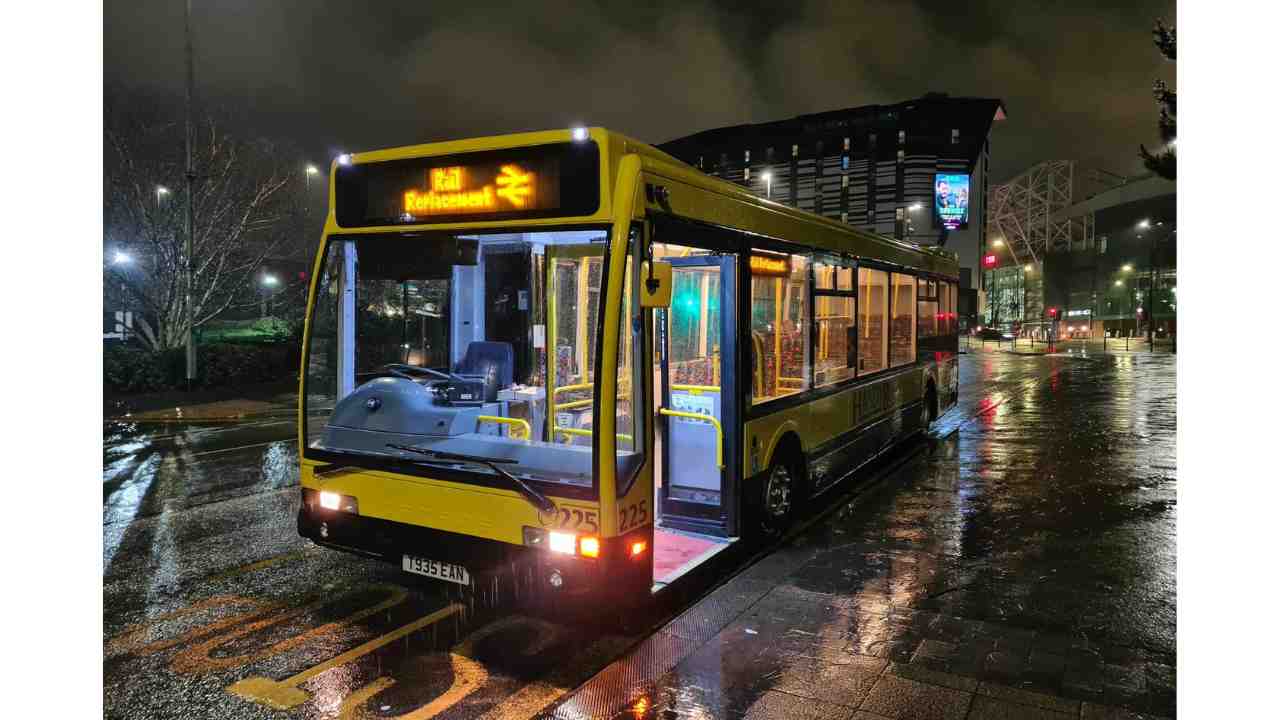
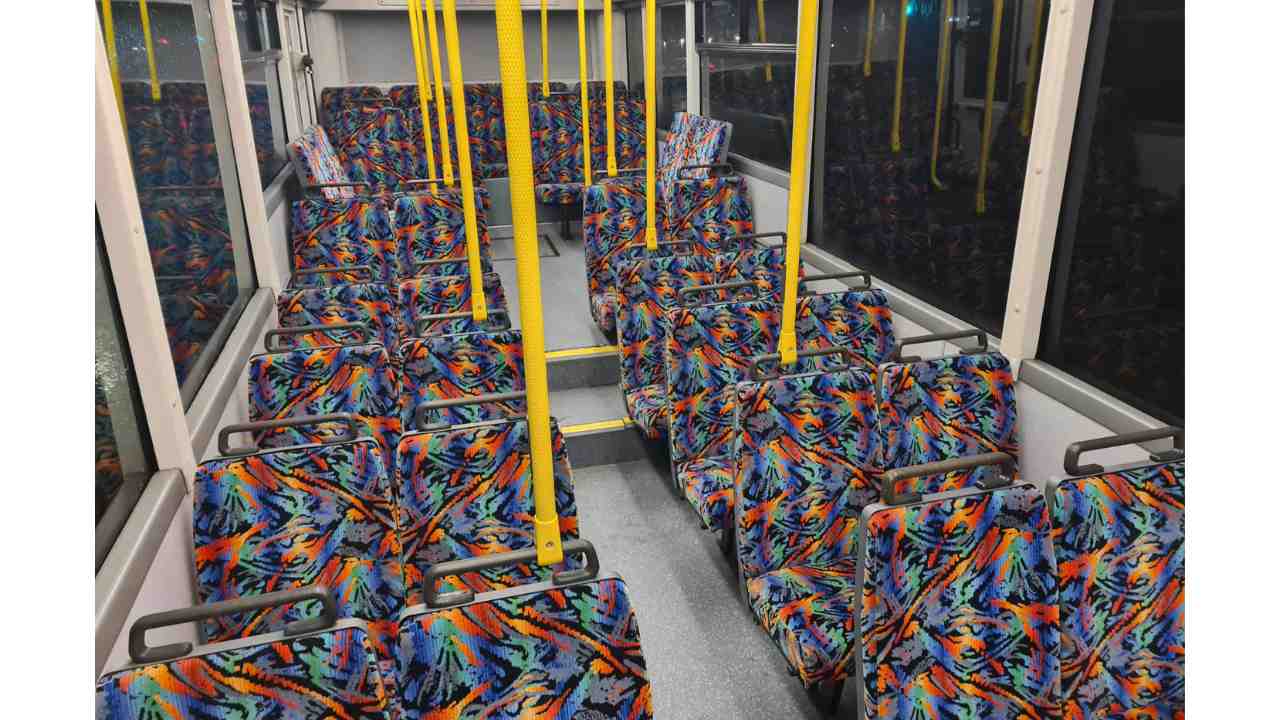
Blackpool Transport had been in discussions with Lancashire County Council about using the new design on a quality partnership for routes 44A/B (Cleveleys Park to Mereside/Marton Mere) then operated by its subsidiary Fylde Transport Ltd. Eight were duly ordered and the first four (201-4) entered service on 3 June 1996, with the other four (205-208) followed in July. They were 36 seaters and 10.7m long.
Despite using established and successful mechanical components, these early Excels proved troublesome. Fylde's mechanics worked miracles to keep them on the road with evening maintenance undertaken. Optare provided support under warranty and took each one back for rectification during 1998.
The problems were exacerbated with the closure of Squires Gate Depot in April 1999. Rigby Road depot was now at capacity and the space was not there for overnight repairs. Availability plummeted - days with just three out of eight serviceable were not unknown. By now Optare had admitted defeat and agreed to replace the batch with 9 new examples - this time to 11.5m length with 40 seats. The nine replacements were numbered 210-218 (T210-8HCW) and entered service between July and August. The Excels continued to run the 44A/B.
The company's network review in 2001 led to the 44A/B being replaced by Metro Line 4 in April 2001 with a reduction to every 20 minutes with seven Excels needed. The excels were proving too large for the route and in January 2003 moved onto Line 5 (Staining-Hospital-Halfway House) which required all nine. This lasted until 21 March 2004 when nine new Solos replaced them on Line 5 and the Excels went into temporary storage. 211 and 215 immediately went into the paint shop and emerged in Line 7 purple livery replacing two Deltas on 19 April. 210 followed after repairs in May, 214/6/3 in June, 212 in July and 217 in August. 218 was also repainted - carrying the pool Black and yellow livery. 218 regularly ran on the 7 but also appeared on the 14 to cover the guaranteed low floor commitment on this otherwise Trident operated route.
Although better than 201-208 reliability was still disappointing and it was rare to experience a full low floor output on Line 7. At the time several other operators were disposing of their Excels - mainly to eager buyers in Ireland - though some did travel all the way to New Zealand! Blackpool decided to persevere with the marque and bought three from Go North East - 219-21 (T880/1/4RBR) arriving on 22 December 2004 and entering service in pool livery in late Jan/early Feb.
It was decided to embark on a refurbishment programme in 2007 following a pilot by East Yorkshire where the Cummins ISB engine was proven to be reliable. 210 was the first treated in summer 2007 with 210 following and 212 done during the winter. All three had a body overhaul with improved panel fixings to reduce rattles.
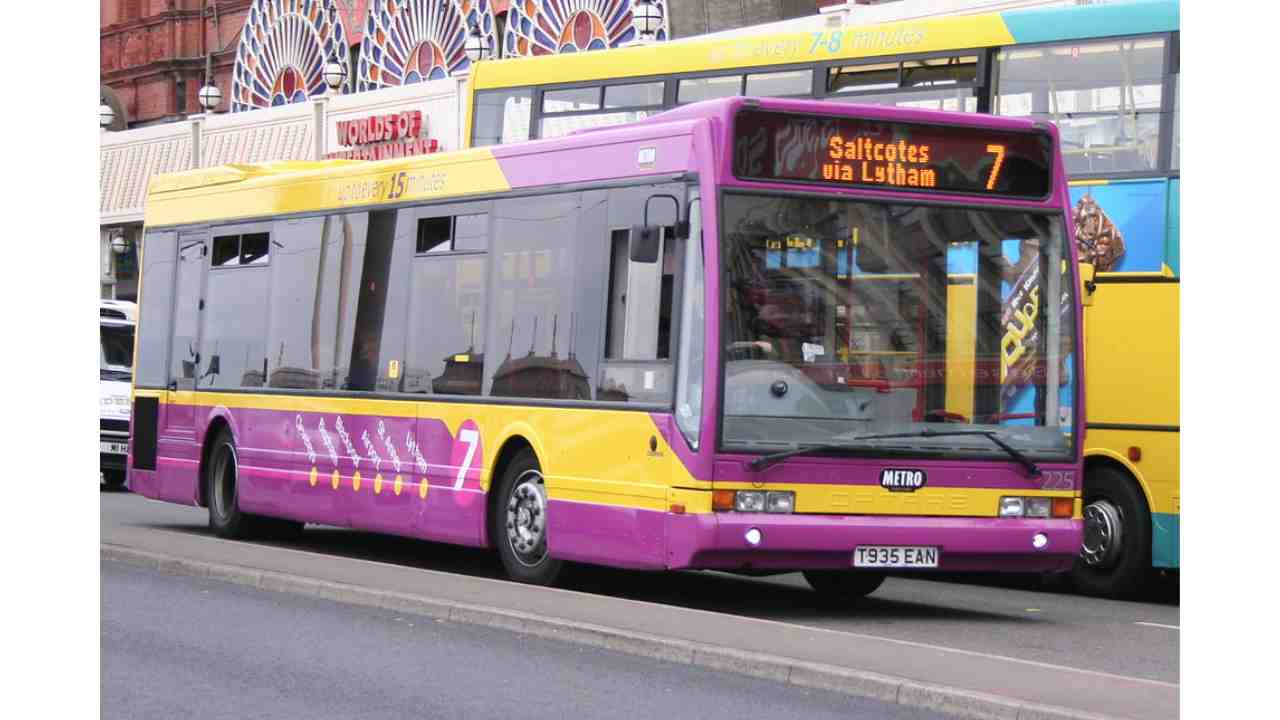
Line 7 was increased in frequency in January 2009 so five more Excels were purchased form Reading Buses in October 2008 - 222-226 T922-6EAN. All had a minor bodywork overhaul - but not the engine change - and entered service on 26 January. 222/3 carry pool livery 224-226 Line 7 colours. The refurbishment continued during 2011 and 2012 concluding with 225 in August.
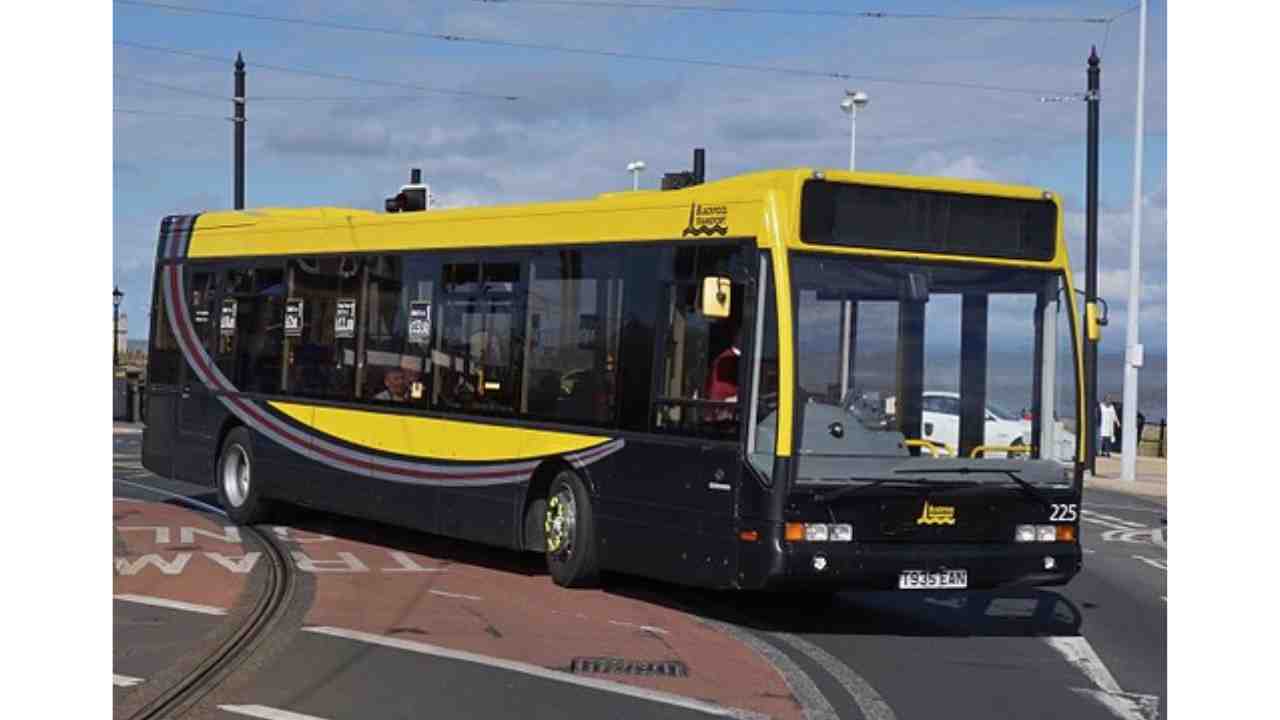
On 26 July 2010 a major network change saw the 7 converted to Solos, with Excels allocated mainly to the 2/2C and 17. The 7 later reverted to big buses with Excels now most common on the 7 and 11, but still appearing on 2C and at times on the 1, 9 and 17. With the end of the Metro identity a new black and yellow livery was introduced. Excel repaints started in 2010 and was completed in October 2013. 225 was painted in January 2013 and was the last in Line 7 livery by this time.
The end of 2015 would prevent vehicles which did not confirm to PSVAR regulations (aka DDA complaint) from use in service. BTS decided to convert some Excels so Bus and Coach World were contracted to the work with 216 and 220 first treated in June 2013 with 219, 221, 223 and 226 following by the end of the year. 224 was treated in January 2014 with 225 following. Then the projected ended and with some service reductions it was decided to withdraw Excels.
Some were withdrawn in 2014 and just nine were left by May 2015 and these were to be replaced by new Citaros. After a few weeks five gained a reprieve in June/July but by October only ex Reading 225 was in use. It finally ended its Blackpool career on 29 November 2016. The day before it spent the day on the 7, then on its final day emerged as a changeover working a single return trip to Knott End on the 2C.
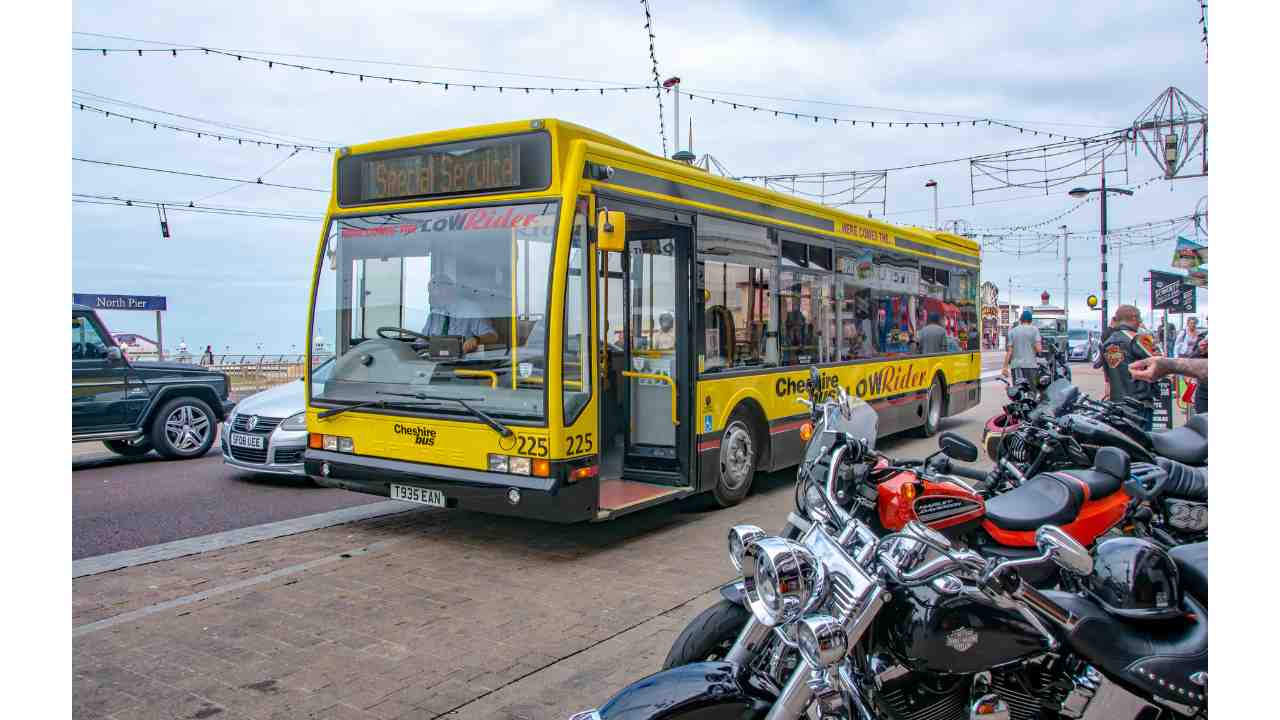
225 left Blackpool on 9th May 2017 having been purchased by Morton’s Travel of Berkshire near its original Reading haunt. It saw periodic use on rail replacement. The owner of Morton’s sold the business and moved to Cheshire starting a new operation. 225 was briefly sold to a preservationist but was bought back by Adrian Morton in 2019 and repainted into a revised yellow and black scheme. In June 2021 225 was acquired by FTT from Adrian Morton and its livery was quickly modified to match the Handybus scheme carried by 210-218. 225 is kept as a full PSV and has been used by Transpora on rail replacement service. In late 2025 it moved to the North West Museum of Road Transport in St Helens for use and display
You might be interested in these
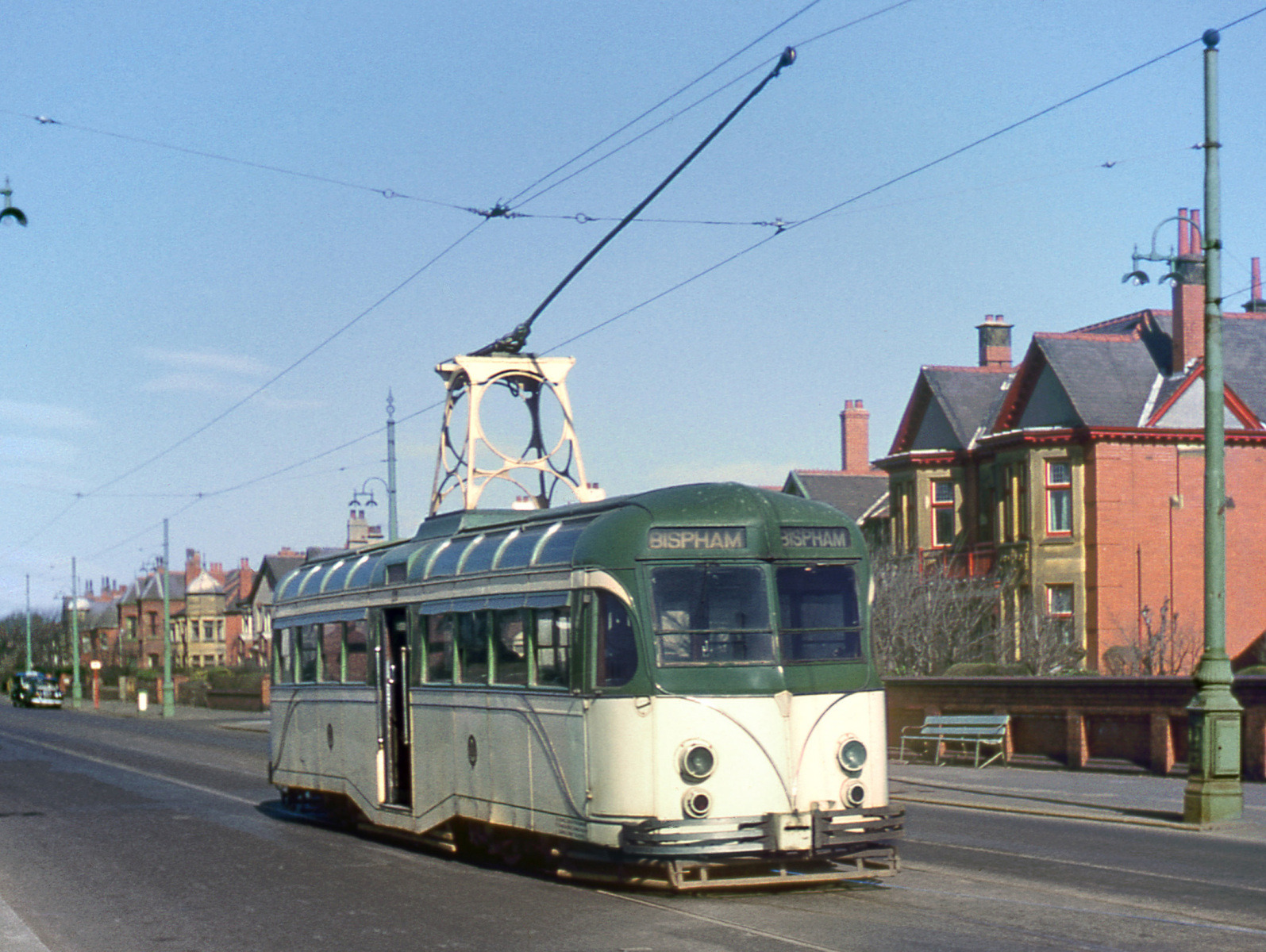
Railcoach 279
45 Railcoaches were built at the Preston workshops of English Electric whilst other designs included an Open top single decker, and both enclosed and open-top double deck designs of similar streamlined appearance.
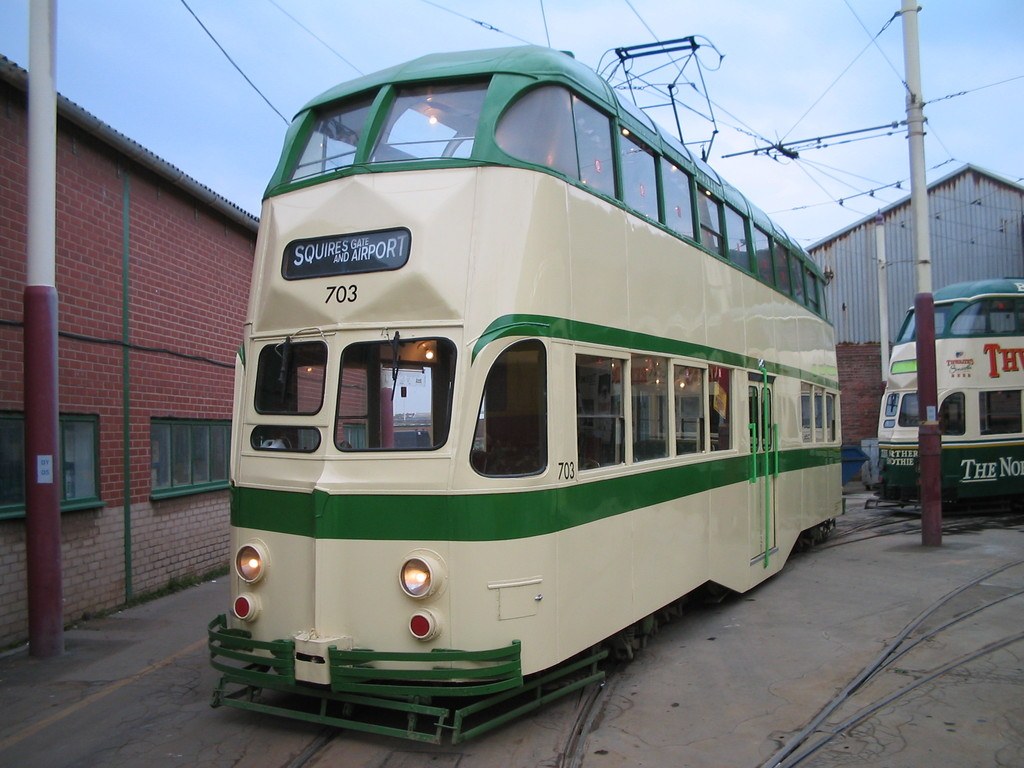
Balloon Car 703
Twelve streamlined open top double deckers were supplied by the English Electric Company of Preston in 1934. Officially called “Luxury Dreadnoughts”, after the old Dreadnoughts they replaced, they were numbered 238 – 249 and followed a prototype (226, later 237) which had been delivered for evaluation earlier that year.
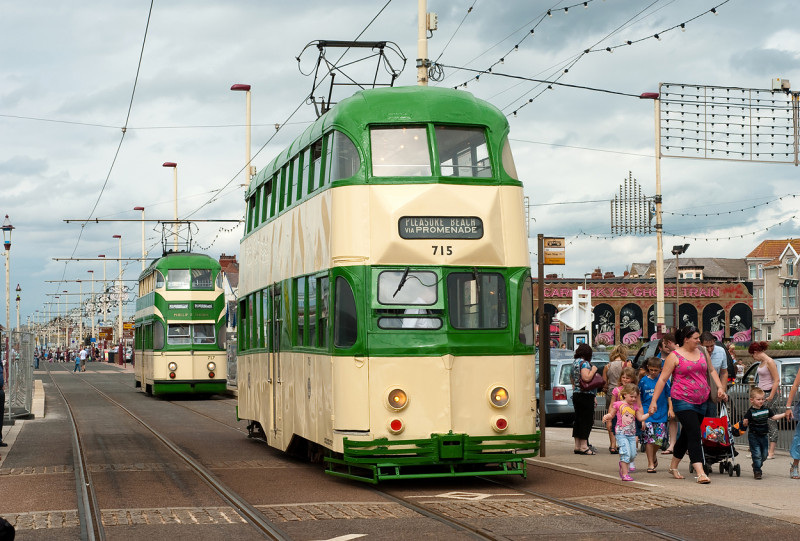
Balloon Car 715
715 was one of the second batch of English Electric double deckers ordered by Walter Luff - this time fully enclosed cars instead of the open toppers delivered first. As with most trams of the Luff era, they were well appointed, ornate, streamlined, centre entrance cars.

